Foundation Settlement and How Repairs Restore Stability
Homeowners seeking foundation settlement repair can connect with local contractors who specialize in restoring stability and preventing further structural issues.
Understanding foundation settlement and how repairs restore stability is essential for property owners facing signs of shifting or sinking structures. If cracks appear in walls, uneven floors develop, or doors and windows become difficult to open, these may be indicators that the foundation is experiencing movement. Addressing these issues promptly can help prevent further damage and preserve the safety and value of the property. Local contractors who specialize in foundation repair can assess the situation, identify the underlying causes, and recommend solutions tailored to the specific conditions of the property.
Property owners in the area often explore foundation repair options to maintain structural integrity and avoid costly future repairs. Whether dealing with minor settlement or more significant issues, choosing experienced service providers can make a significant difference in restoring stability. These local experts utilize proven methods to stabilize foundations, ensuring that homes and buildings remain secure and functional. Keep reading to learn more about how foundation repairs work and the ways local professionals can help safeguard properties from ongoing settlement concerns.
- Foundation settlement repair services are needed when signs of uneven floors or cracked walls appear, and local contractors assess the extent of the settlement. Soil stabilization and underpinning are common approaches used by service providers to restore stability to affected foundations. When structural shifts threaten the integrity of a building, local pros implement targeted repair solutions to prevent further movement. These repairs help re-establish a level and secure foundation, protecting the building’s overall stability. Service providers evaluate the specific conditions of each property to determine the most effective method for restoring foundation stability.
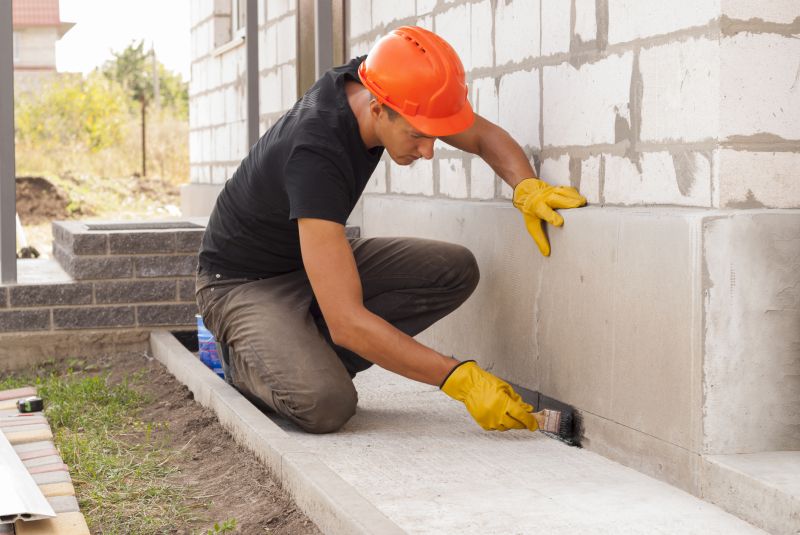
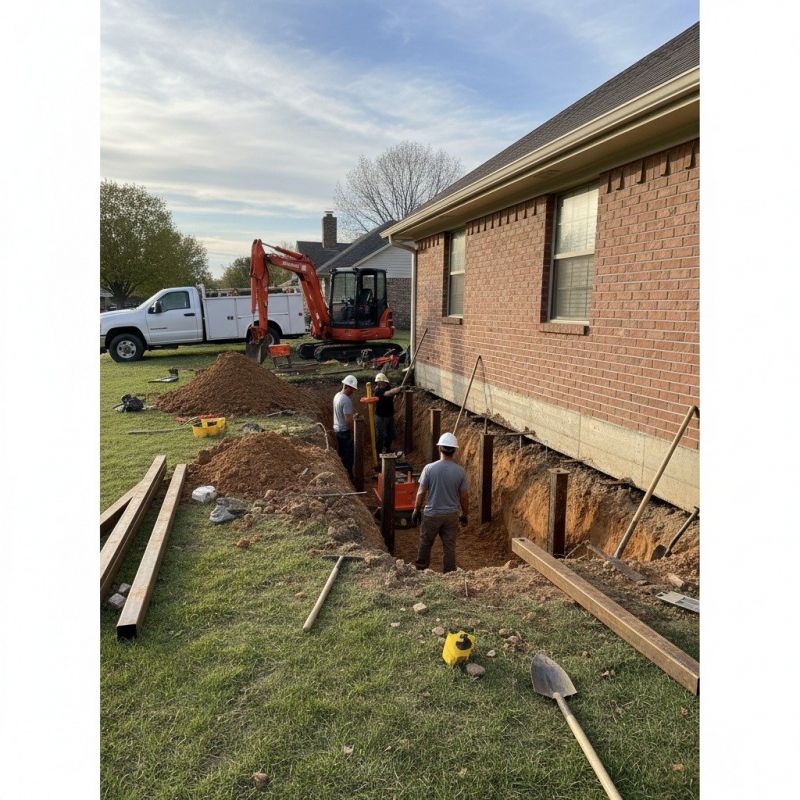
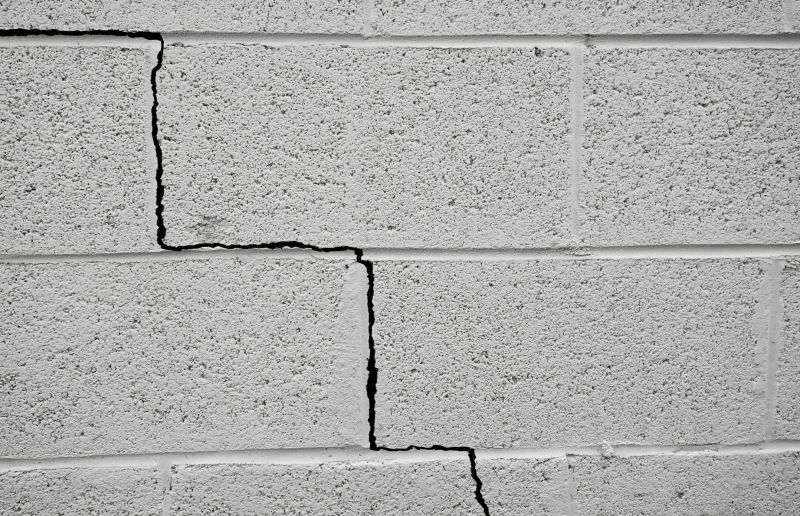
Foundation settlement and how repairs restore stability is a common concern among homeowners experiencing signs of shifting or sinking structures. When people search for this topic, they often want to understand why their property’s foundation is moving and what can be done to fix it. This issue typically involves the gradual sinking or shifting of a building’s foundation due to soil movement, moisture changes, or other environmental factors. Homeowners may notice cracks in walls, uneven floors, or doors and windows that don’t close properly, prompting questions about the cause and how to restore the property’s stability. Understanding these signs helps homeowners identify whether foundation settlement is a contributing problem and if repairs are needed to prevent further damage.
The scope of foundation settlement and how repairs restore stability encompasses a variety of property types and underlying causes. It often relates to residential homes, especially those built on expansive clay soils or in areas with significant moisture fluctuations. Commercial buildings and townhouses can also experience similar issues, particularly if they have shallow foundations or poor drainage. The primary goal of repairs is to stabilize the foundation, prevent further sinking, and restore the structural integrity of the property. Repair methods may include underpinning, piering, or slab jacking, which work to lift and support the foundation. Local contractors who specialize in foundation repair are equipped to assess the specific conditions of each property and recommend solutions tailored to the particular needs of the structure.
Understanding how foundation settlement impacts a property helps homeowners see the importance of timely repairs. When a foundation begins to settle, it can cause stress on the entire structure, leading to cracks, uneven floors, and misaligned doors or windows. These issues not only affect the appearance of the home but can also compromise safety and long-term durability. Repairing foundation settlement involves stabilizing the ground beneath the structure and restoring proper support. Local service providers often use advanced techniques to lift and reinforce foundations, effectively stopping further movement and returning the property to a more stable condition. Proper repairs can help preserve the value of the property and prevent costly future damage.
For homeowners facing foundation settlement problems, connecting with experienced local contractors is a crucial step. These professionals understand the specific soil and environmental conditions that contribute to settlement in the area and can recommend appropriate repair strategies. Whether dealing with residential, commercial, or multi-family properties, local pros bring practical expertise to each project. They evaluate the extent of the settlement, identify underlying causes, and implement solutions designed to restore stability and protect the property’s long-term health. Addressing foundation settlement promptly with the help of qualified service providers can make a significant difference in maintaining a safe, secure, and structurally sound home or building.
Soil Stabilization Projects - these projects involve techniques to improve ground conditions, which are essential for preventing foundation settlement and restoring stability.
Retaining Wall Installations - constructing retaining walls requires understanding of soil pressure and structural support, similar skills used in foundation repair planning.
Drainage System Enhancements - effective drainage helps manage water around foundations, a key factor in preventing settlement issues and maintaining stability.
Basement Waterproofing - waterproofing services protect foundations from water damage, which can contribute to settlement problems over time.
Pier and Beam Foundation Services - these projects involve lifting and stabilizing structures, directly related to foundation settlement repair techniques.
Site Grading and Excavation - proper grading and excavation are crucial for foundation stability, requiring similar planning and tools as foundation repair work.
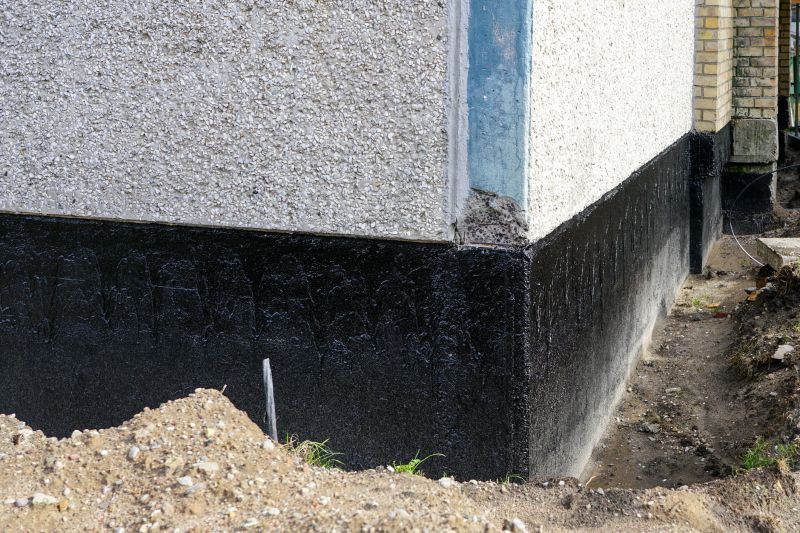
When evaluating service providers for foundation settlement repair, it is important to consider their experience with similar projects. Contractors who have handled a variety of foundation issues and have a track record of successful repairs are more likely to understand the complexities involved in restoring stability. Homeowners should inquire about the types of foundation problems the contractor has addressed and seek out those with a history of working on projects comparable in scope and severity to their own. This experience can provide confidence that the contractor is familiar with the best practices and potential challenges specific to foundation settlement repairs.
Clear and detailed written expectations are vital when choosing a foundation repair contractor. A reputable service provider should be able to outline the scope of work, the methods they plan to use, and the anticipated outcomes in a straightforward manner. Having this information in writing helps ensure that both parties are aligned on what the repair process will involve and what results can reasonably be expected. Homeowners should also ask for references or examples of completed projects to verify that the contractor’s work aligns with the described scope and quality standards, providing additional assurance of their reliability.
Effective communication is a key factor when comparing local contractors for foundation settlement repairs. Service providers who are transparent, responsive, and willing to answer questions demonstrate professionalism and a commitment to customer understanding. Good communication helps homeowners feel informed and confident throughout the repair process, reducing uncertainty and ensuring that any concerns are addressed promptly. When evaluating options, it is beneficial to consider how well a contractor explains their approach and whether they listen carefully to the homeowner’s specific concerns, as this can significantly impact the overall experience and the success of the repair project.
Property owners often search for foundation settlement and how repairs restore stability when they are planning practical projects around their homes and businesses. Local pros provide Foundation Settlement Repair services for everyday jobs and straightforward project options.
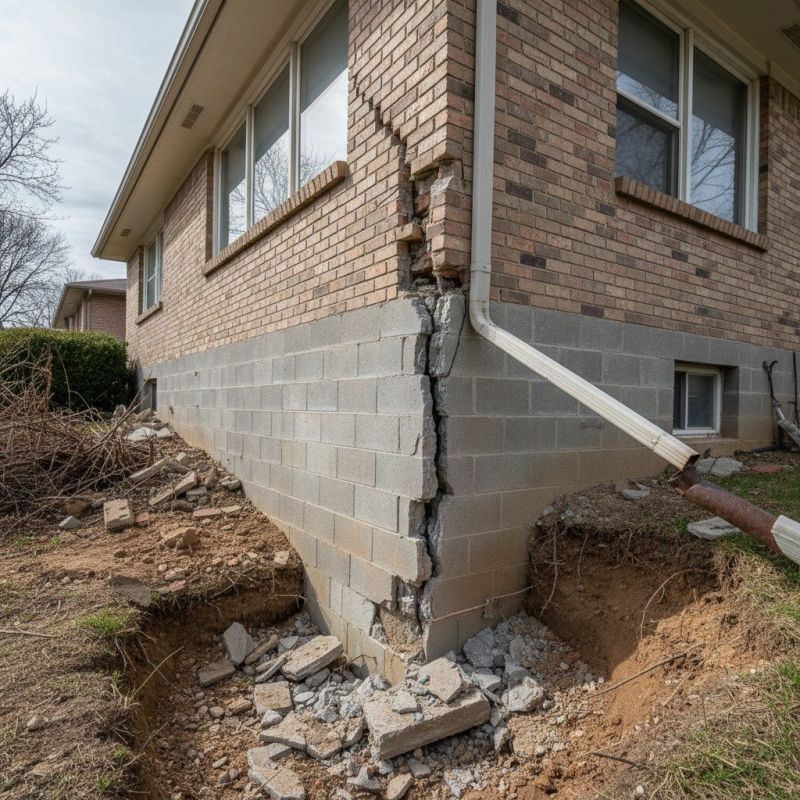
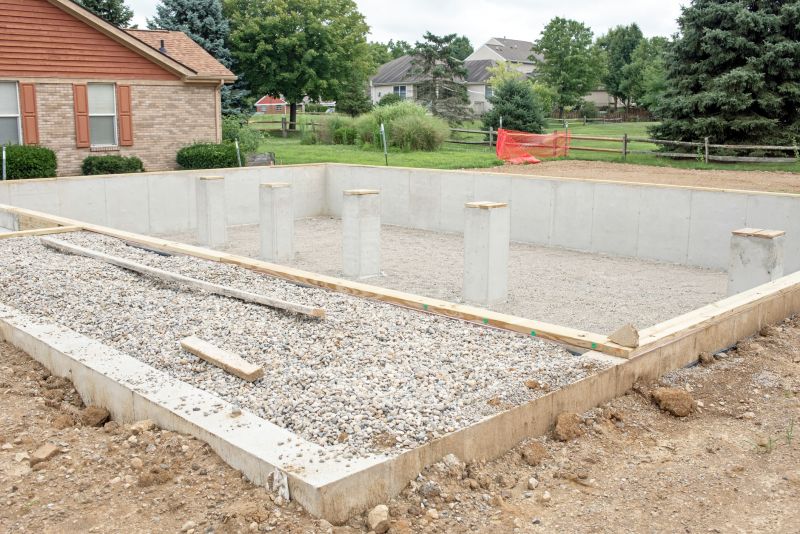
Foundation settlement can lead to noticeable issues around a property, such as uneven floors, cracked walls, or sticking doors and windows. Property owners in the area often seek out foundation repair services when these signs appear, aiming to restore stability and prevent further damage. Local contractors specializing in foundation repair have the experience to assess the situation accurately and recommend appropriate solutions, whether that involves underpinning, mudjacking, or other stabilization methods. Engaging with these professionals can help homeowners address foundation concerns early, maintaining the safety and integrity of their homes.
Repairs focused on foundation settlement aim to stabilize the structure and prevent ongoing problems. When settling occurs, local service providers can implement targeted solutions designed to restore the foundation’s original position and support. These repairs not only improve the safety of a property but also help preserve its value over time. Property owners considering foundation settlement repair services often look for experienced local contractors who understand the unique conditions of the area and can deliver reliable, effective results. Connecting with these specialists can provide peace of mind that the foundation is being properly restored for long-term stability.
What causes foundation settlement and how do repairs restore stability? Foundation settlement occurs when the soil beneath a foundation shifts or compresses, leading to uneven support. Repairs typically involve stabilizing the foundation through methods like underpinning or piering, which restore stability by properly supporting the structure.
How can I tell if my foundation has experienced settlement? Signs of foundation settlement include uneven floors, cracks in walls or ceilings, sticking doors or windows, and visible cracks around the foundation. Local contractors can assess these issues to determine if settlement is the cause.
What repair methods are used to address foundation settlement? Common repair techniques include installing piers or piles to lift and stabilize the foundation, as well as underpinning to reinforce weak areas. These methods help restore the foundation’s stability and prevent further movement.
Why is it important to restore foundation stability after settlement? Restoring foundation stability helps prevent structural damage, maintains the integrity of the building, and avoids costly repairs in the future. Professional service providers can ensure the repairs are properly executed.
How do local service providers ensure foundation repairs are effective? Experienced contractors evaluate the specific causes of settlement, choose appropriate repair methods, and use proper installation techniques to restore stability, helping to protect the long-term safety of the building.
Assessing foundation issues - Property owners can start by noticing uneven floors or cracks and consulting local contractors to evaluate the extent of foundation settlement.
Choosing repair methods - Understanding different repair options helps property owners work with local service providers to select the most suitable solution for restoring stability.
Planning for ongoing support - Incorporating foundation stabilization techniques into renovation projects can prevent future settlement problems and improve overall building integrity.
Ensuring proper drainage - Addressing drainage and soil conditions with the help of local pros can reduce foundation movement caused by soil shifting or water accumulation.
If you are thinking about foundation settlement and how repairs restore stability for a property, this guide is meant to help you understand this topic, the typical project types, and how different options might fit your plans.
When you are ready, you can use the quote form on this page to share a few details about your project. From there, local pros can review the basics and follow up with options that match what you have in mind.